About Us
The Buddha Dhamma School International (BDSI) is affiliated to the Queensland Sangha Association Inc, Brisbane, Australia, commonly called the QSA. QSA has provided services for about eighteen years mostly in Queensland and in Australia in a limited way.
BDSI is not just another Dhamma School. It aims at a specific purpose. Spiritual progress of every individual right up to enlightenment is our aim. What is important is that every individual gets a fair chance of reaching the highest level. Whether or not each one attains this or that level is not crucial.
Our assumption is that every individual is gifted. What needs improvement is the method of communication. At times when the Lord Buddha was living there was no problem of method. 2600 years on, we certainly need to be conscious of the methods used. It appears that there is not enough interest in this matter.
BDSI is fully devoted to researching current methods of Dhamma communication and make decisive improvements. One of the reforms attempted is in the recognition of the psychology of children at different ages.
Another type of reform is regarding teaching techniques. In these times, the reliance on classroom teaching is excessive. There are other techniques available.
There is a need to examine the application of technology in teaching. Information technology is particularly useful. Things like electrical circuitry can be used. Ideas of gravitation, magnetism, gene science are also available.
The novel systems adopted by BDSI draw a good deal from new areas.

unity
Being united under Lion Flag

pagoda or dagaba (relic womb/chamber)
The origin of the pagoda can be traced to the stupa (3rd century BCE). The stupa, a dome shaped monument, was used as a commemorative monument to house sacred relics and writings
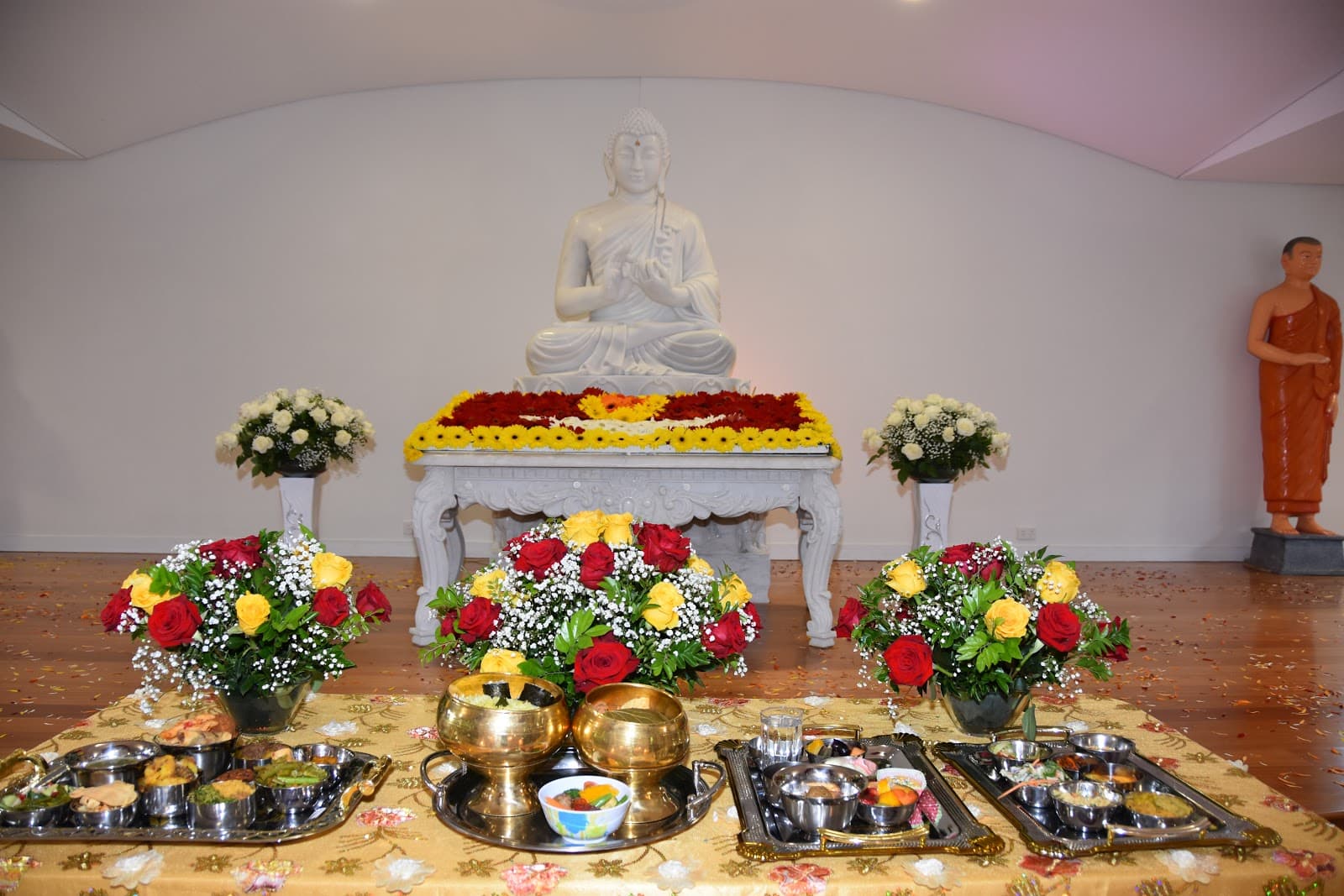
offerings
Buddhist devotional practices commonly consist of giving offerings and chanting pali stanzas (vandana gatha) in front of Buddha statues
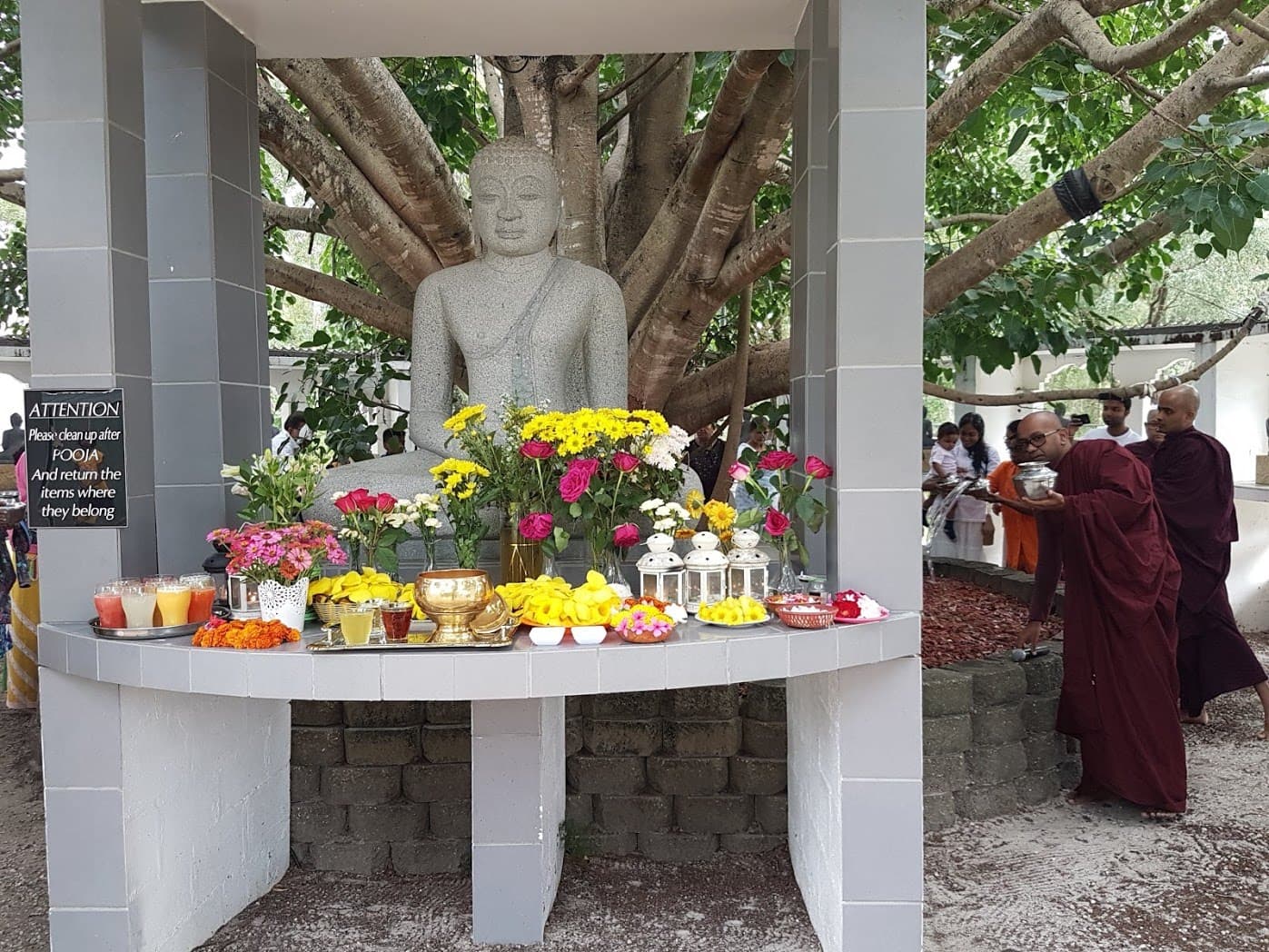
nature
Gautama Buddha attained enlightenment (bodhi) while meditating underneath a Ficus religiosa (Bo Tree)

meditation
Buddhist meditation is the practice of meditation in Buddhism. The closest words for meditation in the classical languages of Buddhism are bhavana (mental development) and jhana/dhyana (mental training resulting in a calm and luminous mind)
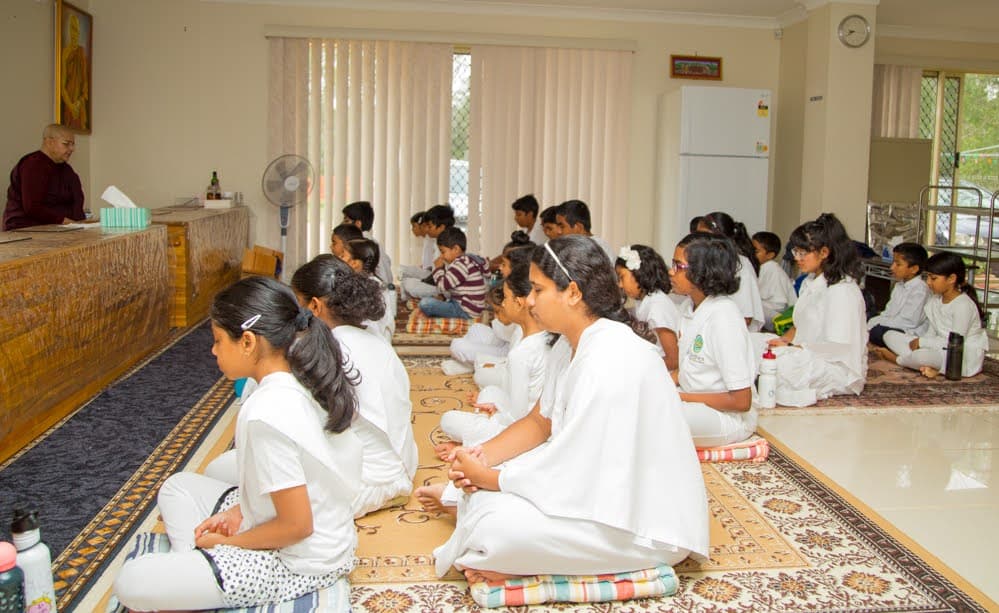
meditation
Buddhists pursue meditation as part of the path toward liberation from defilements (kleshas) and clinging and craving (upadana), also called awakening, which results in the attainment of Nirvana

sangha
Being a part of Triple Gems (Buddha, Dhamma, Sangha) in Buddhism, sangha refers to the monastic communities of bhikkhu (monks) and bhikkhuni (nuns)
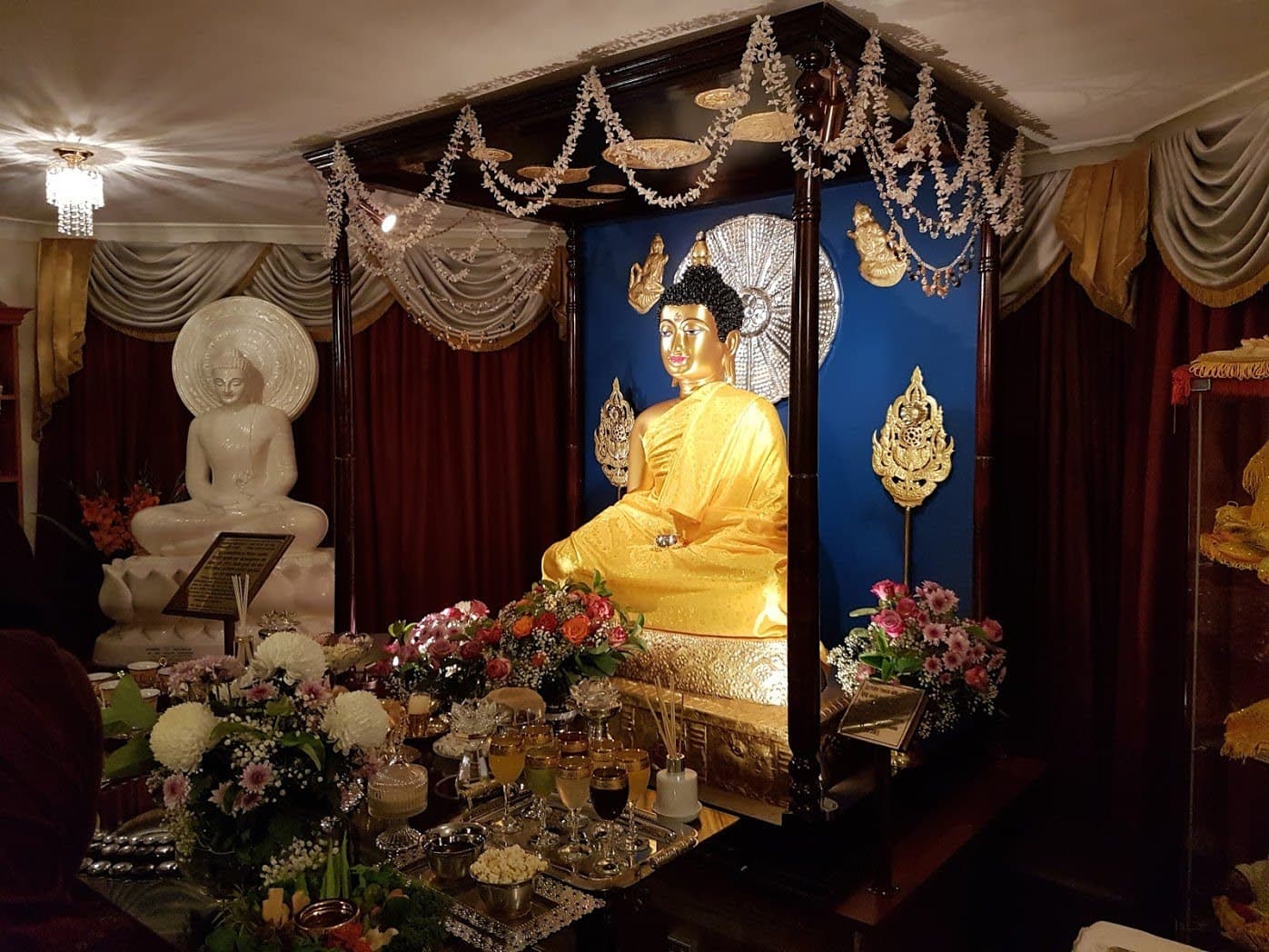
offerings
The three most common offerings are flowers, incense, and light (as candles, oil lamps or lanterns)

vesak
The most important Buddhist festival "Vesak" commemorates the birth, enlightenment (Nibbana) and passing (Parinirvana) of Gautama Buddha

procession
Religious or otherwise, processions have in all peoples and at all times been a natural form of public celebration, as forming an orderly and impressive ceremony

tradition
A tradition is a system of beliefs or behaviors passed down within a society with symbolic meaning or special significance with origins in the past

culture
Although culture is often attributed to a specific region, cultural events can be globaly used for education
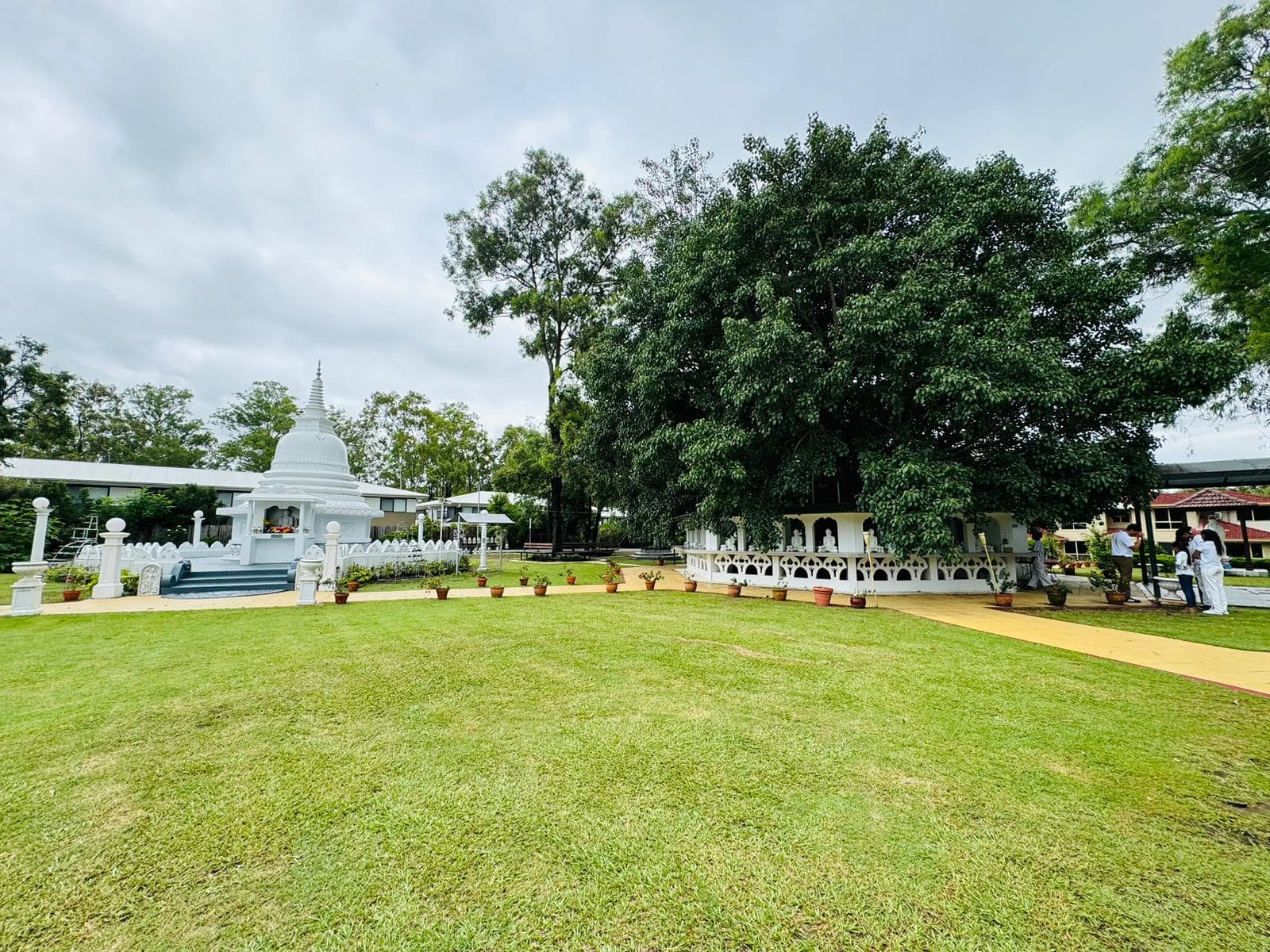
nature
Teaching the society to respect and protect nature and environment is the most important part of all teachings

art
BDSI is fully devoted to researching current methods of Dhamma communication and make decisive improvements. Information technology and Science play a greater role as well as aesthetic subjects in Dhamma education
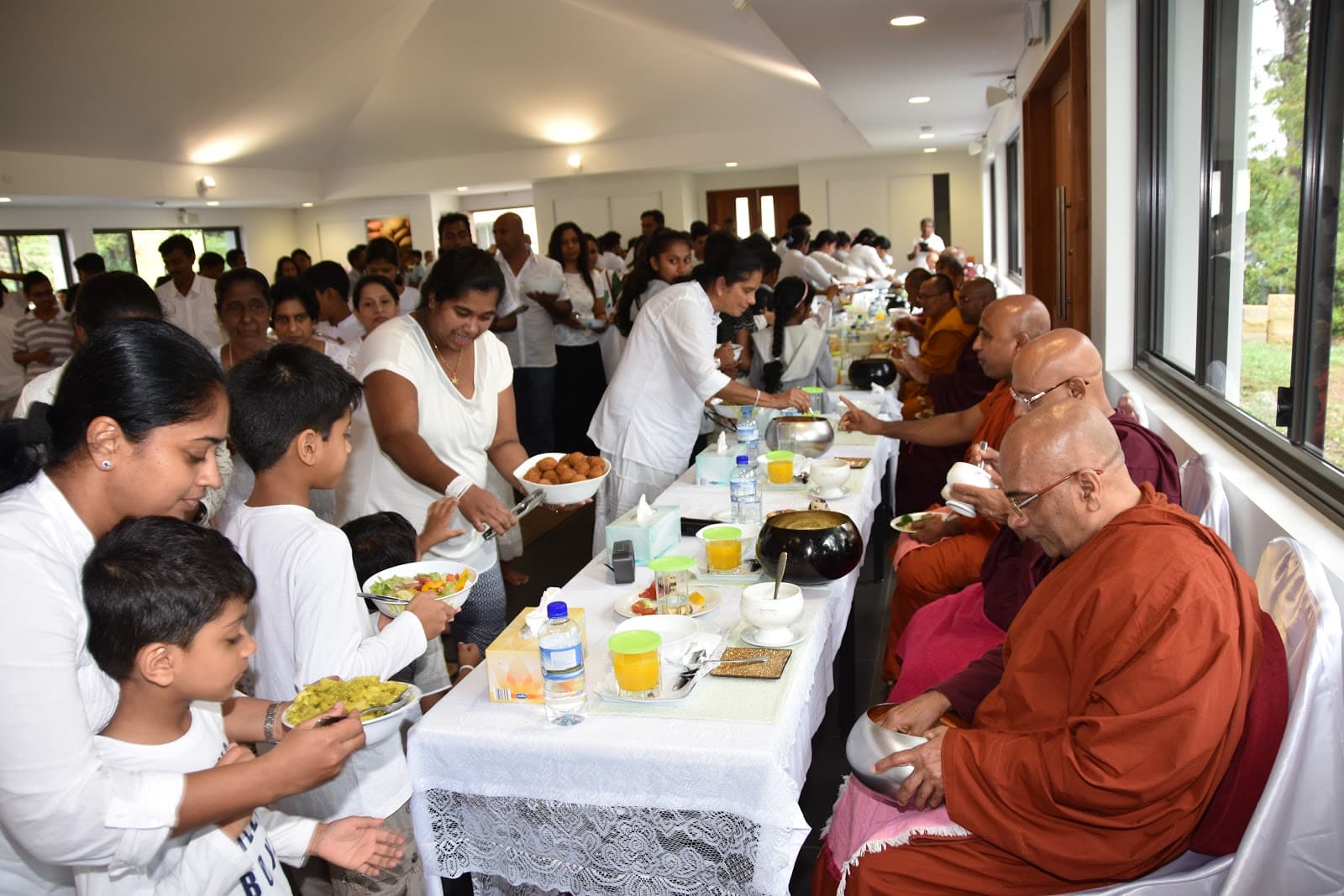
almsgiving
In Buddhism, both "almsgiving" and "giving" are called "dana". Such giving is one of the three elements of the path of practice as formulated by the Buddha. This path of practice is dana, sila and bhavana

social welfare
Social welfare is a type of government support intended to ensure that members of a society can meet basic human needs. But this field is globally and broadly used for religious communication